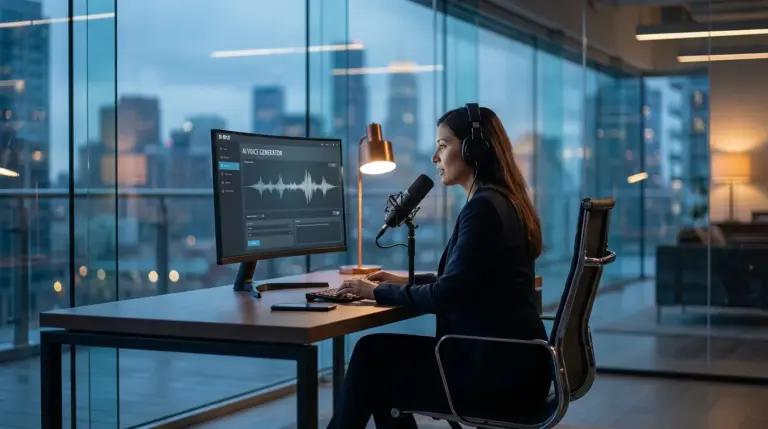
AI Video Generators: A Complete Guide for Creators (2026)
The best AI video generators use artificial intelligence to create or edit video content from simple text prompts, images, or existing footage. Top tools like Google Veo create original clips, while editors like Descript automate post-production. This technology dramatically cuts down the time and cost of video creation for marketing and social media.
You need more video content. It’s what drives engagement on social media and explains your product better than any wall of text. But the reality is that producing good video is a huge drain on resources. It involves scripting, shooting, editing, and mastering audio—a process that can take days and cost thousands. If you’re a small business owner or a solo content creator, that’s often a non-starter. This is where AI video tools change the entire equation, making professional-quality video accessible to everyone.
What Are the Main Types of AI Video Generators?
AI video tools aren’t a one-size-fits-all solution; they fall into a few distinct categories, each designed for a different job. The first and most talked-about type is the text-to-video generator. These tools, like Google’s Veo or Runway, create entirely new video clips from a written description. You type in a prompt like “a golden retriever chasing a ball on a sunny beach in cinematic style,” and the AI builds the scene from scratch. This is perfect for creating unique visuals, b-roll, or conceptual animations without a camera.
The second major category is the AI video editor. Instead of creating footage from nothing, these tools use AI to enhance the editing process. Think of apps like Descript, which lets you edit video by simply editing a text transcript—delete a word, and the corresponding video segment disappears. Others, like OpusClip, can analyze a long video (like a podcast) and automatically pull out the most engaging, shareable short clips for social media. These tools don’t replace your raw footage; they just make working with it ten times faster.
Finally, you have AI video creation suites. These are often specialized platforms for specific outputs. For example, Synthesia allows you to create training videos using hyper-realistic AI avatars that speak from a script, saving you from on-camera work. Vyond specializes in creating animated character videos for business explainers. These suites provide a more structured, workflow-oriented approach for common business needs, combining generative AI with templates and specialized features.
Generative Tools: Creating Video from Scratch
Text-to-video generation is where the magic really seems to happen. The core idea is simple: you provide a text prompt, an image, or both, and the AI model generates a short video clip that matches your description. What most guides won’t tell you—but I’ve learned the hard way—is that the quality and controllability of these tools vary wildly. Some are fantastic for abstract, dreamy visuals, while others excel at creating realistic, coherent scenes.
Google Veo is a frontrunner for its reliability. I’ve tested it with complex prompts, and it does an impressive job of maintaining object consistency and following instructions. If you ask for a red car, you get a red car throughout the clip. Runway, on the other hand, leans more into cinematic and artistic outputs. It’s a favorite among digital artists because its models understand filmmaking concepts like camera movements (pan, dolly, etc.), giving you more creative control. While neither can produce a feature film, they are exceptional for generating unique b-roll, social media content, or storyboarding ideas.
The prompting process itself is a skill. It’s not just about what you want to see, but how you describe it. Including details about lighting (“golden hour lighting”), camera angle (“low-angle shot”), and style (“80s vintage film look”) makes a huge difference. It’s an iterative process; your first result might not be perfect, but you can refine your prompt to get closer to your vision. This is a massive shift from traditional video, where getting a different shot means reshooting everything.
How AI Video Editors Can 10x Your Productivity
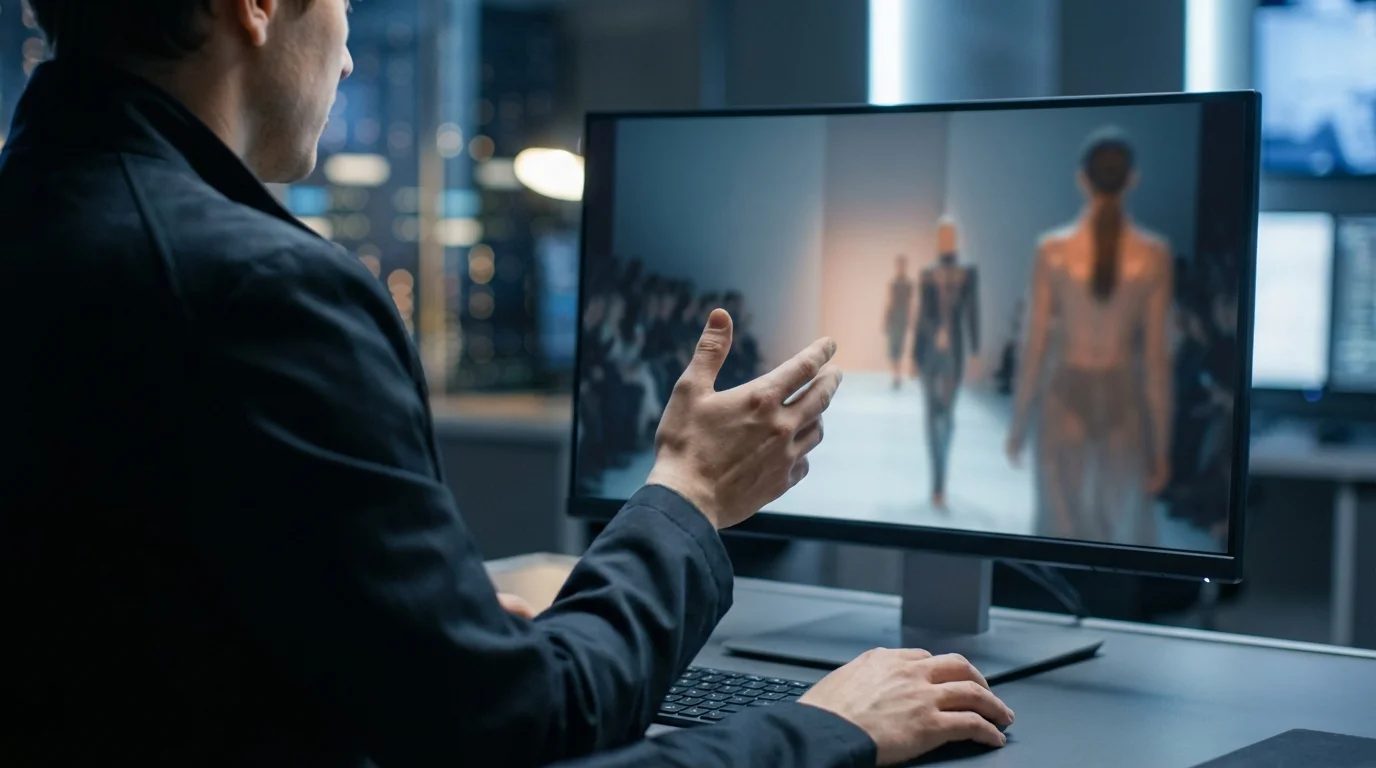
If you already have footage, AI video editors are your best friend. Their goal isn’t to create something new but to make editing what you have dramatically faster and easier. One of the most common problems in video editing is the tedious task of cutting out filler words, long pauses, and mistakes from spoken-word content like interviews or tutorials. Descript solves this by transcribing your video and letting you edit the text. To cut a segment, you just highlight and delete the words. This workflow is a significant improvement.
Another huge time-saver is content repurposing. Say you have a one-hour webinar recording. Manually finding the best 30-second clips for TikTok or Instagram Reels could take hours. A tool like OpusClip uses AI to analyze the entire video for “viral moments” based on topic changes, keywords, and speaker engagement. It then automatically reframes these clips into vertical format, adds captions, and gives you a dozen ready-to-post shorts in minutes. From my experience helping clients with this, it’s the single fastest way to multiply your content output without creating anything new.
AI tools cut the time it takes from script to final result by providing templates, tools to speed up editing, and shortcuts to polish audio and video. They help increase your production quantity and value without increasing the time spent working on it.
— The 2024 State of AI in Marketing Report, HubSpot
These editors also offer a suite of AI-powered polishing tools. Features like automatic background noise removal, voice enhancement, and even an AI eye-contact corrector (which adjusts your gaze to look at the camera) are becoming standard. These small tweaks can significantly improve the production quality of your videos, making them look and sound more professional without requiring technical expertise in audio engineering or color grading. For anyone creating educational or corporate content, these features are invaluable.
Which Key Features Should You Look For?
When choosing an AI video generator, it’s easy to get distracted by flashy demos. But to find a tool that actually works for you, focus on a few key features. The most obvious is output quality and resolution. Can the tool export in at least 1080p? Many free or lower-tier plans are stuck at 720p, which might not look sharp enough, especially on larger screens. Also, check for watermarks. Most free plans will add a watermark, and you’ll need to upgrade to a paid plan to remove it.
Customization and control are just as important. A tool that produces beautiful videos is useless if you can’t align them with your brand. Look for options to upload your own assets, like logos and fonts. How much control do you have over the final output? Some tools, like LTX Studio, are designed for granular, shot-by-shot control, while others are more of a “one-and-done” generator. Your choice depends on whether you need a quick, good-enough video or a highly customized one. The ability to generate video is closely related to the tech behind the best AI image generators, so expect rapid improvements in this area.
Finally, consider the pricing model and ease of use. Most platforms use a credit-based system, where generating a certain length of video consumes a set number of credits. Understand how many credits you get per month and what they translate to in terms of video output. I’ll be honest: this can be confusing, so run a few tests on a free plan to see how quickly you burn through credits. The interface should also be intuitive. If you can’t figure out how to create a simple video in the first 15 minutes, it might not be the right tool for you, no matter how powerful its AI is.
Real-World Use Case: A Social Media Ad in Five Minutes
Here’s a practical example. Imagine a small e-commerce store that sells artisanal coffee beans. They want to run a short video ad on Instagram for their new espresso blend. Traditionally, this would require a photoshoot, hiring a videographer, and hours of editing. The total cost could easily run into the hundreds or even thousands of dollars, and the turnaround time would be a week or more.
Instead, the store owner uses an AI video creation suite like Invideo AI. They start with a simple text prompt: “Create a 15-second, high-energy video ad for a new dark roast espresso blend called ‘Midnight Fuel.’ Show close-ups of dark, oily coffee beans, a shot of rich espresso being poured, and a final scene of someone enjoying the coffee. Use upbeat, modern background music.” The AI gets to work, pulling relevant stock footage from its library, generating a voiceover using one of the best free text-to-speech tools, adding captions, and syncing it all to a music track.
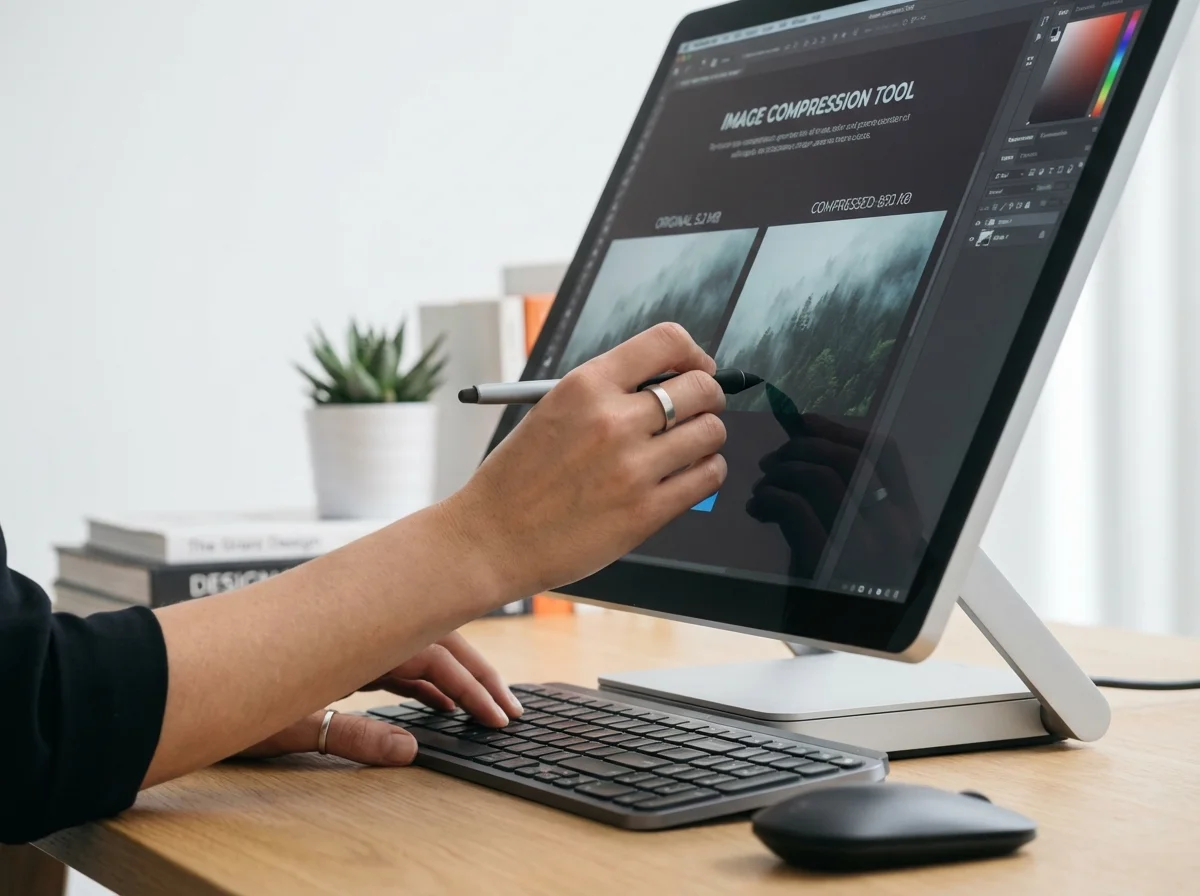
Within five minutes, they have a complete video draft. The owner makes a few minor tweaks—changing the font to match their brand and uploading their logo to appear at the end. The final video is exported in 1080p vertical format, ready for Instagram. They’ve gone from idea to a finished, professional-looking ad in less time than it takes to brew a pot of coffee. The result is a 95% reduction in production time and cost, allowing them to test multiple ad variations and respond quickly to market trends.
AI video generators are no longer a futuristic concept; they are practical tools that can save you an immense amount of time and money. The key is to identify your primary need. Do you want to create original footage from text, speed up your editing workflow, or produce specialized content like avatar-led presentations? Once you know that, you can pick a tool and start experimenting with its free plan. If you don’t know where to start, try using an AI Tool Finder to get a recommendation based on your specific project needs.
For source-backed context and deeper verification, review these references: developers.google.com.
FAQ
Can AI generate a full-length movie?
Not yet. Current AI models are best at creating short clips, typically under a minute long. While you can stitch these clips together, maintaining narrative and character consistency for a long-form project is still a major challenge.
Is the video from AI generators copyright-free for commercial use?
This depends entirely on the tool’s terms of service. Some platforms, especially those with paid plans like Adobe Firefly, indemnify users for commercial use. Always check the licensing agreement before using AI-generated video in a business context.
Do I need a powerful computer to use AI video generators?
No, you don’t. The vast majority of these tools are cloud-based, meaning all the heavy processing happens on their servers. As long as you have a stable internet connection and a modern web browser, you can use them on almost any computer.
How much do AI video generators typically cost?
Most services offer a free tier with limited credits and watermarked videos, which is great for testing. Paid plans usually start around $15 to $35 per month, offering more credits, higher export quality, and no watermarks.